

How to Use Social Listening to Grow Your Business


Introduction:

Social listening is not just talked about in 2026; rather, it becomes an indispensable mechanism which works as the engine of market intelligence. One can identify high intent buyer behavior and trends through unfiltered consumer conversations.
Integrating social listening into the marketing strategy provides you with information about product alignment with actual needs of customers. As a result, your brand becomes more relevant and performs well with SEO.
What Is Social Listening?
The forecast suggests that social listening will generate $16+ billion revenue by 2029. Social listening and social media monitoring differ in their emphasis on reasons for something happening.
Why Does Social Listening Matter?
- Competitive Analysis: Monitor Competitor Weaknesses to Take Over the Market
- Customer Experiences: Resolve Customer Issues Before They Become Complaints
- PR Crisis Management: Detect PR Crises Through Social Media Monitoring
- Trends: Analyze Social Media Trends to Stay Relevant
| Activity | Social Listening Role | Business Benefit |
| Brand mentions | Social media tracking | Brand awareness & sentiment tracking |
| Complaints/feedback | Social monitoring | Customer Experience improvements |
| Industry trends | Social listening | Competitive research & strategy |
Building a Growth-Driven Strategy
How do you design a social listening strategy?
In essence, proper social listening turns digital noise into business intelligence through moving from finding out “what happened” to “what should be done next.”
KPI Selection: Analyze Share of Voice and Sentiment. Apply Descriptive Analytics to monitor performance, and Diagnostic Analytics to find out the root cause.
Forecasting Trends: Apply Predictive Analytics for predicting future customer churns and/or future market trends.
Automating Actions: Apply Prescriptive Analytics for recommending actions through customer experience analytics.
Visualization of Insights: Apply data visualization for competitor intelligence and product intelligence.
Brand Awareness and Crisis Control

Listening brands anticipate PR crises before they happen and prevent them from occurring.”
With today’s social listening abilities, your brand is now equipped with an early warning system. Being able to monitor social media mentions as and when they occur makes social listening proactive instead of reactive.
Sentiment analysis: Capitalize on automation to find any sudden changes in negative sentiments.
PR crisis management: Make sure there are no problems in all social networks before they become a PR disaster.
Customer experience: Find indirect references to your brand to improve the overall customer experience.
| Scenario | Social Listening Use Case | Benefit |
| Negative review spike | Sentiment analysis + alerts | Faster Crisis Management |
| Quiet PR rumor | Early detection in social channels | Crisis Prevention |
| Positive brand buzz | Sentiment tracking + UGC | Brand awareness + Customer Experience |
Increasing Engagement and Experience
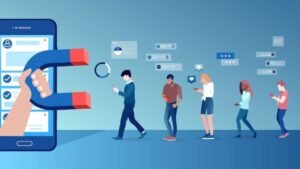
How does social listening create engagement?
The power of Social Listening turns passive interactions into active Customer Engagement. Social Listening turns an interaction into a lifetime of customer loyalty.
- Identify Advocates: Leverage the power of social listening to find advocates among your customers and on social media.
- Be Proactive: Engage with customers on social media even when not mentioned.
- Improve CX: Respond faster for improved Customer Experience.
- Sentiment Analysis: Analyze customer sentiments to resolve issues on all social media sites.
Social Listening for Customer Engagement and Experience
How will social listening turn a comment into customer engagement and experience?
Social Listening turns a comment into effective Customer Engagement. Social Listening turns a comment into lifetime loyalty.
- Find Advocates: Make use of social listening to find customers and social influencers.
- Proactive Approach: Join conversations regardless of whether customers tag you or not.
- Improve CX: Respond to customer feedback promptly to improve their experience.
- Sentiment Analysis: Monitor sentiments of customers on all social platforms.
Social Listening for Competitive Research and Product Development
The use of Social Listening in competitive benchmarking will show deficiencies in the product that the usual surveys do not find out. By 2026, the only reliable way to get information for Product Development will be through real-time data.
How would Social Listening be utilized in terms of Competitive Intelligence?
Competitive Benchmarking: Evaluate how well the campaign works by monitoring their competitor’s mentions and hashtags when Tracking Campaign Effectiveness.
Gap Analysis: Analyze what is lacking in the competitor’s products based on what customers perceive as such.
Roadmap Prioritization: Create a priority list from what the customers have learned from the product.
Social Media Trends: See whether brand collaboration is possible through Social Media Trends.
Conclusion
In 2026, social listening will be a critical point connecting brand strategy and reality. Through social listening, information will become a powerful instrument of creating a brand, designing breakthrough solutions, and preventing crises. Switching from social media listening to social listening will ensure your business is flexible and always one step ahead of competition.
Wish to develop a customized social listening strategy taking into account such factors as the ideal customer profile, budget restrictions, and business priorities? Book a 30-minute Social Listening Audit at AGTC and unlock new market opportunities, enhance competitive advantages, and boost lead conversion rate!
FAQ
What is the difference between social listening and social monitoring?
Monitoring tracks mentions and metrics. Social listening analyzes meaning, sentiment, and trends. Both drive brand awareness and competitive research.
Does it help with Crisis Management?
Yes. Tools detect negative sentiment and volume spikes early. This triggers Crisis Prevention before a story goes viral.
How does it improve CX and loyalty?
It captures real-time customer sentiment. Faster replies and product fixes boost customer experience and long-term customer loyalty.
Can it fuel Product Development?
Yes. Track competitor mentions and feature complaints for competitor intelligence. Use this product intelligence to improve your roadmap.
What metrics should I track?
Monitor share of voice, sentiment, and engagement. Use data visualization to simplify Descriptive Analytics and Predictive Analytics insights.