Google Performance Max (PMax) Guide for E-commerce: Scaling in 2026

Introduction
Do you find your eCommerce growth stuck in a web of automated “Set It and Forget It.”? In 2026, Performance Max has evolved. It’s now a powerful engine that uses quality first-party signals. Those companies that use this feature have experienced a 20% higher conversion rate than those that do not have this enhanced experience.To scale effectively now, you need to go beyond traditional bids. Think like a “Data Architect” when structuring your Performance Max. Focus on profit margins and inventory speed in real-time. Adoption of this means greater push from the algorithm to achieve the highest possible success based on your financial means instead of aiming for clicks through the Internet only.
What is Performance Max? The Future of E-commerce
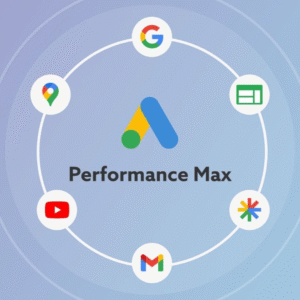
Performance Max is a one-stop shop for advertisers. It lets them place cross-channel ads on all Google platforms, like Search, YouTube, and Google Shopping. Performance Max started as an “automated” tool. Now, it’s an “orchestrational” advertising solution. Google’s AI tracks customer engagement and marketing touchpoints in real-time.
Performance Max chooses which creative assets to use, like images, videos, or text. It helps decide between Search Ads, YouTube Ads, Facebook Ads, and more. This boosts the chances of potential customers converting. Performance Max, like other Smart Bidding solutions, analyzes billions of customer intents. This reduces guesswork in your automated campaigns. It automatically shifts your budget to channels with the highest chance of conversion, second by second.
|
Feature |
Performance Max | Standard Shopping |
|
Inventory |
Search, YouTube, Display, Maps, Gmail | Search & Shopping Tab |
|
Optimization |
AI-driven (Full Funnel) |
Manual/Smart (Lower Funnel) |
| Creative Assets | Video, Image, Text, Feed |
Product Feed only |
| Best For | Scaling and Discovery |
Strict Keyword Control |
Why E-commerce Brands Need Performance Max in 2026
In just four years, the Performance Max system has changed a lot. It went from a basic automation tool to a powerful Predictive Performance engine. Now, it helps drive eCommerce revenue growth. Performance Max uses real-time stock levels and pricing gaps. This way, your budget won’t go to out-of-stock items or uncompetitive prices. So, your ROAS can be optimized effectively at scale.
- Brands using Performance Max see a 22% boost in incremental conversions. Their costs per action stay steady.
- Optimized, first-party data campaigns with profit-based segmentation boost revenue by 78.15% in six months.
- In 2026, AI will do more than find customers. It will pause ads for low-stock items and bid more for products when your prices beat the competition.
- Performance Max breaks down data siloes. This keeps your brand consistently visible. As customers move through YouTube, Search, and Shopping in 2026, you stay top of mind.
Setting Up Your PMax Campaign for Success
Your Performance Max Campaign will either scale or waste your budget based on the technical foundation of your campaign in 2026. The Performance Max algorithm improves based on your inputs. So, optimizing your product feed and using accurate audience signals are key to your e-commerce success.

Technical Checklist for 2026
- GMC & Feed Quality: Your advertisement is reflected in your feed. If your products do not have clear and descriptive titles, such as “Men’s Waterproof Winter Parka – Black,” customers may not understand what they are buying. Product images (1500x1500px) should also be included with your products and be high-quality (a lifestyle shot would be ideal).
- Asset Variety (Asset Groups) — Provide as many different types of assets in your Asset Groups as possible (at least 5 quality videos – horizontal, vertical for shorts, and square, plus 20 quality images).The more asset types you give to Google’s AI for your ads, the more natural they look on YouTube, Search, and Gmail.
- Audience Signals – Teach Google’s AI by providing it with your first party customer lists immediately. Google will use the data you send about your high-LTV customers. Their AI will find new customers similar to your most profitable ones.
Advanced Optimization: The “Margin-First” Strategy

By 2026, the top e-commerce companies don’t rely on just one large retailer campaign anymore. They use a smart margin-first strategy. This means Google and its AI focus on products that make the most profit, not just on selling many units. To do this, segment your weekly campaign budget. This way, Google won’t put all your budget into low-margin products just because they’re labeled as “bestsellers.” It will also help your high-margin, profitable products stay visible in search results.
ROAS Segments framework.
- Custom Labels: Use custom labels in your Google Merchant Center. This helps Google’s algorithm sort products by your contribution and margin. For example, Label 0 could be “high margin.” By creating these custom labels you are better able to implement aggressive tROAS strategies against your margin threshold.
- Multiple Goals: Don’t stick to one goal for your store. This can waste ad spending. Instead, set up separate automated campaigns for each profit margin tier. A high-margin campaign with a tROAS of 300% will bring in more volume than a low-margin campaign at 800%.
- Zombie Strategy: If a product has few or no impressions, start a “zombie” campaign. Set the tROAS at least 70% lower than the last campaign. This helps the algorithm collect data and evaluate the profitability of the product, since there’s no existing data from the previous campaign
|
Segment |
Custom Label | Bidding Strategy | Asset Focus |
| Hero Products | High Margin / Best Seller | Maximize Conv. Value |
Brand Storytelling & Video |
|
Inventory Clearout |
Overstock / Low Margin | Target CPA (Aggressive) | Promotion & Price-led Ads |
| Hidden Gems | New Arrivals / No Data | Maximize Conversions |
Educational & Discovery Assets |
Avoiding the “Black Box” Pitfalls
Performance Max is a strong marketing tool. However, it can turn into a “black box.” This may waste your budget by putting ads in low-quality spots or taking away from your branded search traffic. To control your budget in 2026, use a Performance Max audit. This will help you see how your spending is allocated based on the latest data from Google. Without restrictions on AI that would promote “easy” conversions i.e.: individuals already looking for your brand, as opposed to looking for new customers, AI will continue to drive your budget to areas that are typically lower quality and lower intent.
This is a list of strategies for taking back control in 2026.
- Brand Exclusions & Negative Keywords: Use the “Brand Exclusions” option. This will stop Performance Max from bidding on your company’s name. In addition, create negative keywords at the account-level for irrelevant or low-intent search phrases across all surfaces so that your budget is running against only the highest-quality, highest-intent discovery.
- Placement Reports: You will need to continually check your placement reports to analyze and exclude “junk” traffic from mobile apps or other low-quality YouTube channels. To assist with this you can use scripts like Mike Rhodes PMax Insights to help you view the exact breakdown of how your budget is being split out across Search, Shopping and Display.
- Data Exclusions (2026 Trend): A new feature lets you exclude certain audiences from your ads. This includes people who often return or long-time subscribers to your products. This will help ensure that you are only getting new customers influencing your ROAS, allowing you to utilize the funds for acquisition, not for users that would have purchased anyway.
Analyzing PMax Performance: Metrics That Matter
The value of the Performance Max Insights Tab will become invaluable in terms of its relevance to the individual marketer in 2026. You can analyze high-intent search terms that AI finds for you. This includes terms missed in past campaigns. These insights can give you plenty of keyword data for SEO. You can then refine your landing pages based on what is currently driving conversions.
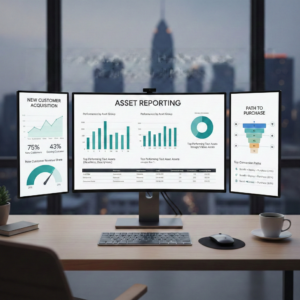
In terms of key metrics for 2026:
- Asset Reporting – Review at least once every 2 weeks which of your assets are receiving a “Best” rating (e.g., videos and/or headlines). Replace any assets rated “Low” every 14 days to prevent ad-losing fatigue.
- New Customer Acquisition – Use the New vs. Returning Report from Google Ads to confirm that you are using your budget to produce true growth as opposed to simply retargeting pre-existing customers.
- Path to Purchase – Use attribution models to determine how a user began viewing a YouTube Short but completed via a Search and/or YouTube ad so you can provide credit for the sale to the right asset.
Conclusion
Performance Max is a must for any ECommerce company looking to succeed in an oversubscription economy by the year 2026. Use quality data and build smart, strategic guardrails into your Performance Max campaign to find the level of scale manual campaigns can’t provide. You’ll be able to leverage best practices for using Performance Max to ensure AI-powered advertising stays profitable, agile, & in front of competitors.
Want to stop random guessing & start scaling? PMax is successful by mastering data feeds & bidding based on profits, not randomly guessing. Don’t gamble on your advertising budget; AGTC Services utilizes advanced orchestration to emphasize return on investment first. Call AGTC Services today to audit your Performance Max plan to maximize your ROAS.
You May Also Like
2. Keyword Match Types: Google Ads PPC Guide for 2025
3. Smart Bidding in Google Ads
4. Reasons Your Facebook Ads Don’t Convert
5. How To Use Top Hashtags To Find Paid Social Media Keywords
FAQ
Is PMax good for lead gen?
Yes, it effectively captures leads across Google’s entire network using AI to find high-intent users. For best results in 2026, use “Conversion Value Rules” to prioritize quality over quantity.
Is $500 a month enough for Google Ads?
It’s a starting point for niche testing, but often too low for the AI to “learn” efficiently. In 2026, $1,500+ is usually needed to see the full benefits of automated scaling.
What is Google Performance Max for ecommerce?
An all-in-one campaign type that uses AI to show your products across Search, YouTube, Shopping, and more. It simplifies management by automating bids and placements to hit your specific ROI goals.
How to run Google Ads for an ecommerce business?
Sync your products to Google Merchant Center and launch a PMax campaign with high-quality images and videos. Use first-party customer data to help the algorithm find your ideal buyers faster.
Which platform is best for ecommerce ads?
Google Ads is superior for capturing active search intent, while Meta is best for visual discovery. Most successful brands in 2026 use a mix of both to cover the entire buyer journey.